7 Simple Changes That Will Make A Big Difference In Your Thrusting Machine


The Benefits of Using a Thrusting Machine
Thrusting machines, also known as hip thrusters, are a powerful method of working the large muscles in your back. They target the gluteus maximumus or butt and hamstrings and the core.
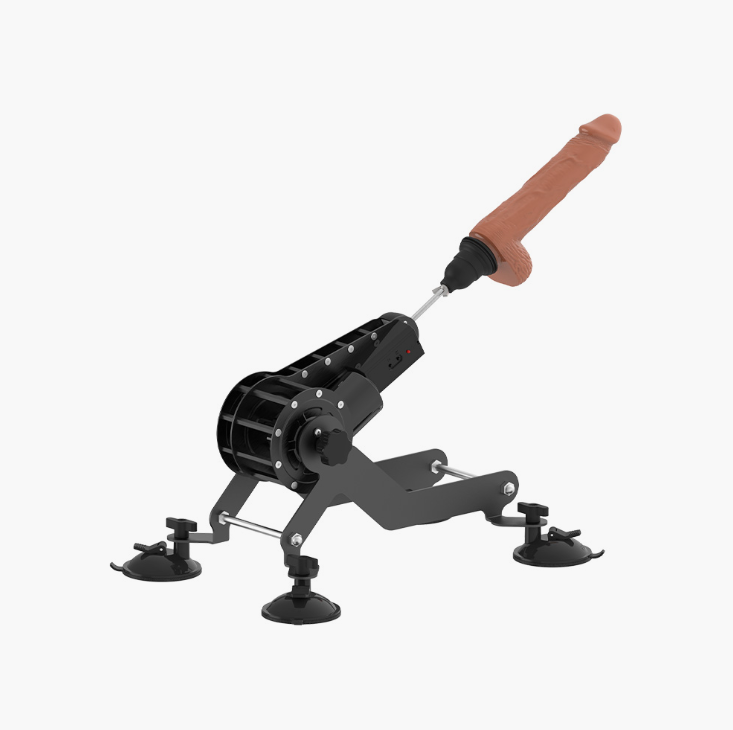
The Buck is smaller and less expensive than other sex toys that thrust that can cost up to $1000. It has a built-in safety feature that cuts off the power to the motor if you press the red button.
What is a Thrusting Machine (TM)?
A thrusting machine is a type of sex machine which can be used by two people to have a sexual experience. The machine produces a thrusting motion that can be altered by using different adapters or adjusting the angle. Thrusting machines can also be utilized to bond. Based on the design of the machine, it could be used to get to an intimate part of the body, such as the cervix. The Buck thrusting device, for instance, comes with toggles that can be used to make either a straight or inclined thrust, or one that pushes up and forward.
Exercises for the hip flexor
Hip thrust is an exercise that strengthens the gluteal muscle and reduces back pain. It also improves power and speed in sports that involve running, jumping and sprinting, as well as improving the stability of the core.
This movement is suitable for all levels of fitness as it can be done with barbell weights, resistance bands, or even bodyweight. It's also adaptable with a variety of variations and progressive overload that allows you to increase the difficulty of this movement as time passes.
Beginners should begin with the bodyweight variation of this exercise to get a feel of how the movement feels and progress to adding barbell or plates that are weighted later. A good rule of thumb is to place a pad or piece of foam on the bench to ensure that your hip bones don't get affected by the barbell as you perform the exercise.
The main muscle group that is activated during the hip thrust is the gluteus maximus but it also engages quadriceps and hamstrings. The tensor facia-lata muscle helps support the gluteal region and hip during this exercise. It is essential to position your feet in a position that stimulates the activation these muscles. Beginners tend to raise their hips too much and can result in an overextension of the spine and decrease the gluteus's maximum engagement.
Certain lifters have a habit of rising onto the balls of their feet during the top thrust. This is not only bad posture, but can cause shifting the workload from the quads towards the hamstrings. It is possible to avoid overloading by taking a short timeout at the beginning of the motion.
One of the great things about this exercise is that it is easy to vary and progress by changing the starting point of the exercise, like placing the shoulders against a glute box, or the Glute Builder Meraki. Another variation that works is the single-leg hip thrust that uses a band to provide resistance instead of a plate with weights or barbell.
Glute Bridge Exercise
The glute bridge is a low-impact way to strengthen your hips and core muscles, as well as lower back. It also helps to improve your posture and decrease lower back pain. It targets the iliotibial as well as vastus muscles. It's simple to do and doesn't require special equipment or space. It is a safe movement for people with osteoporosis because it does not require much forward movement. However, as with all exercises, you should consult your doctor before starting this exercise to ensure that it is safe for you.
To perform a glutebridge position yourself on your stomach with your knees bent. Your feet should be laying flat on the floor. Slowly lift your hips and pelvis until they are straight, from your knees to your shoulders. Keep this position in place, pressing your butt muscles for 10 seconds. Then slowly and gently lower your hips and pelvis back down to the ground.
This exercise targets the gluteus maximumus muscle as well as other muscles in your buttocks. It also targets your hamstrings (a group of tendons and muscles running down your spine), your quadriceps, and your erector spinae muscles. It also aids in improving your posture.
Many of the activities that we engage in, such as sitting at a desk or curled up on the couch, place our hips in an elongated position, which means that the muscles in your hips and lower back are always in tension. Glute bridges strengthen these muscles to counteract the flexion we do every day. This allows you to stand, walk and move around. It also reduces the risk of future injury.
There are a few different variations of the glute bridge exercise. One variant targets the gluteus minimus as well as medius muscle by lifting only the opposite foot off the floor. Another variation involves bands around the knees to increase the resistance of the exercise and tests your balance and stability.
Other Exercises
Weight plates can transform the hip thrust from a gentle exercise into one that defies gravity and promotes significant muscle development. The position of the plate is crucial to maximize its impact. If it's not placed correctly, it can be compared to a symphony of discordant notes that disturb a symphony. sex with machine should rest gently on the hip bones to support hip movement, while also encouraging the production of power and maximising capacity.
When you are doing it correctly, the hip thrust becomes a defining element of any leg workout; it is a foundational element that allows you to build up strength throughout the lower body. It is important to balance frequency and volume. This will allow you to recuperate between sessions without pushing yourself too hard. This is especially important when performing hip thrusts using plates that are heavy and intensive exercises that require a sufficient recovery to avoid injury.
Start with a lighter weight and gradually work towards increasing the weight. Then, slowly lower your hips until they are in the extended position and pull the handles toward you to secure the machine. Rest for a moment before returning to the extended position. Push back up into the initial position. Repeat this process until you reach your goal number. Be sure to keep the movement controlled and to stay tight throughout the entire range of movement. Don't let your hips fall too high or forward, as this puts strain on the lower back and spine muscles and can lead to injury.